Dr Željko Kojadinović — NEUROHIRURGIJA I LEČENJE BOLA
Dr Zeljko Kojadinovic — Pain Treatment & Neurosurgery


Author: Dr. Zeljko Kojadinovic, MD, PhD – Neurosurgeon and Pain Management Specialist
Last medically reviewed: June 10, 2026
Who this page is for
This page is for patients with persistent neck pain that has not improved despite previous treatments and where imaging is normal or shows only incidental degenerative changes that do not fully match the symptoms.
Pain often persists because not all pain generators have been properly identified and treated — such as local muscle spasm, tissue inflammation, nerve sensitization, or other mechanical factors. Once all contributors are mapped, most cases improve with a targeted combination of medications (neuropathic and anti-inflammatory agents, short muscle-relaxant courses), sometimes supported by vitamin or supplement therapy and ergonomic unloading. If pain still persists, image-guided diagnostic or therapeutic blocks (facet, nerve-root, occipital-nerve, or trigger-point) may be used, while surgery is rarely needed.
A detailed telehealth consultation allows a structured review of all findings and guidance on the most effective treatment combination.
The specialist who can identify the true pain generator does not necessarily need to be located in your country.
When patients usually seek a second opinion for neck pain
- Neck pain persists despite medications, physical therapy, or injections
- Pain keeps returning after temporary improvement
- MRI or CT shows disc bulging, degeneration, or nerve compression
- You are considering injections, procedures, or surgery
- The pain has remained unresolved despite examinations and treatment in your country, and the appropriate specialist is not available locally
If this reflects your situation, a focused telehealth review can clarify the true pain generator, treatment options, and what is — and is not — indicated in your case: Request Consultation
Persistent Neck Pain — Quick Summary (Read This First)
- Persistent neck pain is not a precise diagnosis. It is an umbrella term for several different anatomical pain generators, including cervical discs, nerve roots, facet joints, ligaments, occipital nerves, and myofascial trigger points.
- Persistent neck pain often continues because the true pain generator has not been identified. Treatment may fail when therapy is directed at a general label such as “cervical syndrome” instead of the exact structure responsible for pain.
- Cervical MRI findings do not always explain chronic neck pain. Disc degeneration, small bulges, spondylosis, or mild foraminal narrowing may be incidental, while the real pain source can be a small structure not clearly visible on routine imaging.
- Chronic neck pain may come from very small pain sources. A facet joint capsule, irritated cervical nerve root, occipital nerve, deep cervical ligament, trapezius attachment, scalene trigger point, or suboccipital muscle may generate pain from a focus sometimes smaller than 1 cm.
- Neck pain with arm symptoms is not always cervical radiculopathy. Shoulder disease, thoracic outlet syndrome, brachial plexus irritation, and peripheral nerve entrapments can mimic pain from a cervical disc or nerve root.
- Most persistent neck pain does not require surgery. Surgery is usually reserved for progressive weakness, significant spinal cord or nerve-root compression, instability, or disabling symptoms that clearly match imaging and clinical findings.
- Effective treatment depends on matching therapy to the pain generator. Medication, rehabilitation, ergonomic unloading, image-guided injections, or diagnostic blocks work best when the suspected source has been narrowed clinically.
- Image-guided procedures are useful only when there is a clear target. Facet blocks, selective nerve-root blocks, occipital nerve blocks, or trigger-point injections should confirm or treat a specific diagnostic hypothesis, not be chosen randomly.
- Persistent neck pain is often maintained by contributing factors. Posture, screen use, muscle imbalance, poor sleep, stress, metabolic inflammation, vitamin deficiencies, diabetes, thyroid disease, or autoimmune conditions may increase pain sensitivity and delay recovery.
- A structured telehealth consultation can help map chronic neck pain. A detailed history, review of MRI/CT findings, guided movements, and pressure-point testing can often clarify whether pain is coming from the disc, nerve root, facet joint, occipital nerve, ligament, or muscle.
- This page is for patients whose neck pain persists despite standard treatment. It explains why previous therapy may have failed, how pain generators are identified, and when medication, procedures, rehabilitation, second opinion, or surgery should be considered.
Most readers benefit from reviewing the Quick Summary together with the sections on Why “Neck Pain” Is Too General a Diagnosis, Diagnostic Approach to Neck Pain, and Treatment Options for Neck Pain. Later sections provide deeper clinical detail for patients seeking a second opinion when symptoms, MRI findings, and previous treatments do not clearly match.
Contents
- Who This Page Is For
- Key Facts About Neck Pain
- Anatomy of the Cervical Spine
- “Neck Pain” Is Too General
- Find the Exact Source of Pain
- Herniated Disc & Radiculopathy
- Facet Joint Syndrome
- Occipital Neuralgia/Headache
- Myofascial Neck Pain
- Referred Pain
- Diseases That Mimic Radiculopathy
- Diagnostic Approach to Neck Pain
- Clinical Evaluation
- Imaging and Other Tests
- Pain Contributing Factors
- Treatment Options
- Targeted Medication Strategy
- Diagnostic & Therapeutic Procedures
- Physical Therapy & Rehabilitation
- Minimally Invasive Surgery
- Treatments That Are Not Enough
- Why Pain Persist Despite Treatment
- Treatment Outcomes
- Frequently Asked Questions
- Red Flags (Urgent Care)
- Start Telehealth Consultation Now
- Additional Information

Neck pain is one of the most common health complaints worldwide. Almost everyone experiences it at some point in life — but the reasons behind it can be very different.
A single phrase like “neck pain” or “cervical syndrome” is not a precise diagnosis because it only indicates the location of the pain, not its cause. For effective treatment, it is essential to identify the exact anatomical source of the pain.
The pain never comes from the whole cervical spine, but from very specific spots — often no larger than 1 cm. Finding these exact sources is the only way to achieve lasting relief.
Anatomy of the Cervical Spine
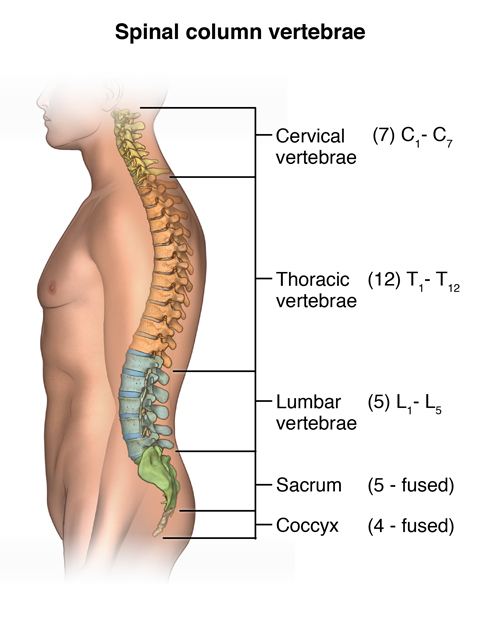
Image: Anatomy of the spine. Learn more on our Pain Anatomy page.
The cervical spine allows us to move the head in many directions while protecting the spinal cord and blood vessels. It is composed of 7 vertebrae with discs in between, acting as shock absorbers.
Muscles attach externally and allow motion, while inside the spinal canal lie the spinal cord and the roots of spinal nerves, which carry signals to and from the arms and the rest of the body.
When disease or injury creates pressure on a cervical nerve root, patients may feel pain, tingling, or weakness radiating along the arm. For example, a herniated disc between the 6th and 7th cervical vertebrae can compress the C7 root, causing pain in the neck, shoulder, arm, and middle finger — often accompanied by numbness or weakness in the triceps muscle.
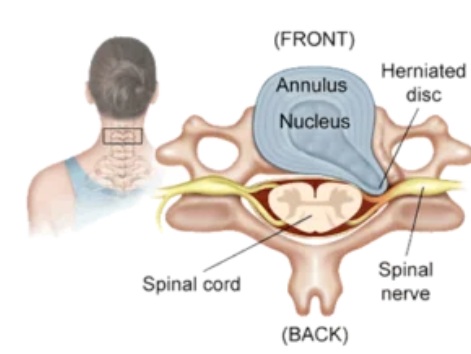
Image: Cervical disc herniation compressing a nerve root, causing neck and arm pain.
Although disc herniation is the best-known generator of neck pain, most cases are not generated by a herniated disc. In the majority of people, MRI scans show degenerative disc changes — however, the real truth is that these changes are not the actual source of pain.
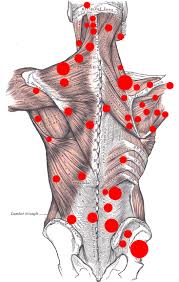
Image: Muscles that are common sources of neck and back pain. There are more than 35 muscles in this region alone. Only a specialist familiar with the pain anatomy can recognize some of them to be a cause of neck pain and diagnose and treat them.
Why “Neck Pain” Is Too General a Diagnosis
Neck pain is extremely common. While many people experience only occasional discomfort, others live with constant or recurring pain that significantly affects their quality of life.
In many cases, patients receive vague labels such as “cervical syndrome,” “spondylosis,” or “tension-type neck pain”. These terms are not precise diagnoses. They are often enough to justify temporary treatments like painkillers or physical therapy, but if the pain persists, the real source must be identified.
It is never the “whole neck” or all degenerative changes seen on an MRI that provoke pain. Instead, the pain always comes from one or more specific points — often no larger than 1 cm. The cervical region has around 20–30 potential pain generators. Only with detailed knowledge of pain anatomy can we target the true source and apply effective therapy.
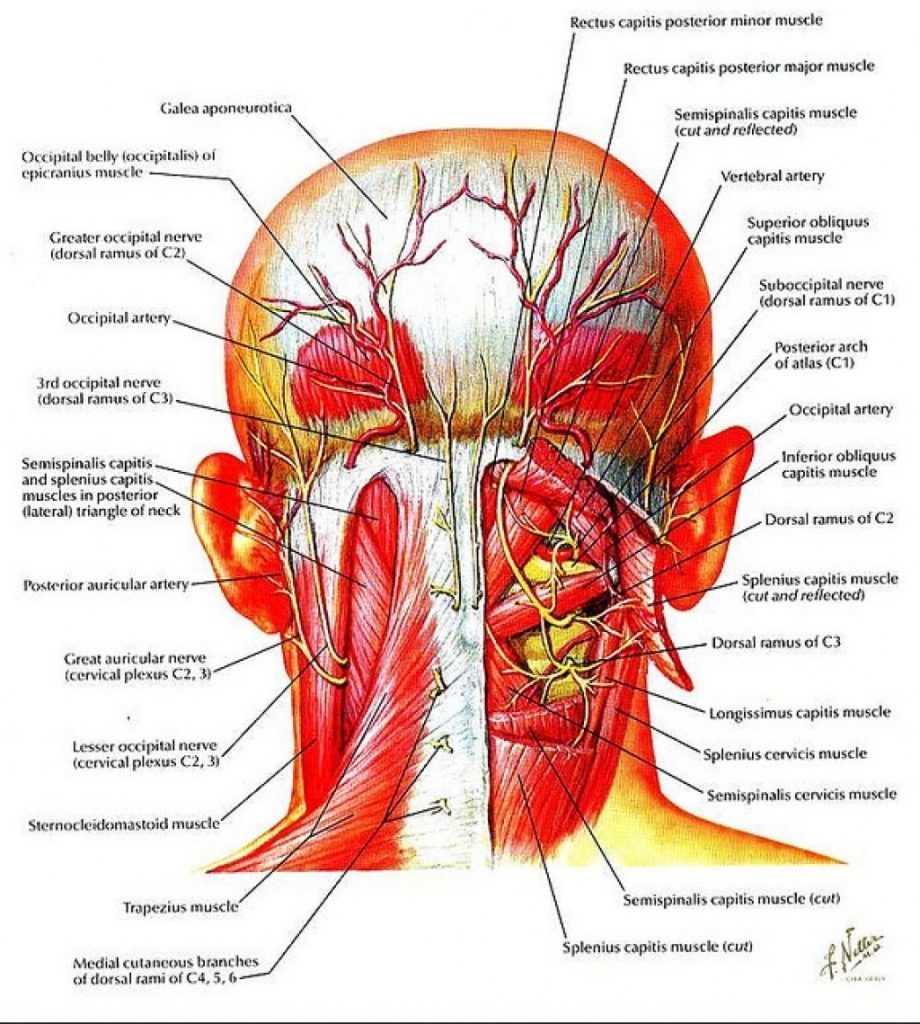
Image: This illustration shows only some of the many structures that can be a source of neck pain. All of them may present with the same symptoms, such as cervical syndrome or head or arm radiating pain. However, they must be precisely diagnosed because their treatments differ.
🎯 Neck Pain — Different Causes, One Goal: Find the Exact Source
“Neck pain” is not a precise diagnosis — it’s an umbrella term for many conditions. Effective therapy begins when we identify the exact anatomical pain generator (often a spot < 1 cm): cervical disc, nerve root (radiculopathy), facet joint, occipital nerve (cervicogenic headache), longus colli or deep cervical ligaments, scalene myofascial triggers, or upper trapezius and suboccipital muscle dysfunction.
Imaging alone is not enough. MRI frequently shows degenerative changes that are not the true cause of pain, while real soft-tissue irritation (facet capsule, ligaments, nerve irritation, myofascial generators) may be invisible. That’s why the key step is a detailed clinical interview and functional testing — which we can perform during an online (telehealth, remote) video consultation.
Before the consultation, the doctor reviews your medical records. During the video visit we:
- ask targeted questions about pain location, radiation (to head, shoulder, arm), and triggers,
- guide you through specific neck movements and posture tests (flexion/extension, rotation, sustained positions),
- show you how to press precise points (cervical paraspinals, facet line, along the occipital nerve, trapezius/scalene trigger points) to map pain reactions,
- use your responses (pain ↑/↓) to pinpoint the pain generator and exclude look-alike causes such as shoulder pathology or thoracic outlet syndrome.
Once the source is identified, treatment becomes specific — usually a targeted medication plan with close adjustments during the first 1–2 weeks. If needed, we add recommendations for the exact type of image-guided intervention (ultrasound, fluoroscopy, or CT) to deliver therapy precisely to the affected structure. Most patients who fit the profile described on this page start to improve once treatment is finally tailored to the true pain generator, even if previous general therapies failed. In practice, the first consultation defines this direction and the initial 1–2 week plan, while brief follow-up messaging allows fine-tuning and confirmation that we are on the right track.
Most neck pain cases do not require surgery. When surgery is indicated, it is typically minimally invasive. What truly makes the difference is not a generic “neck exam”, but a conversation with a specialist who understands the anatomy of pain and can translate that knowledge into the right therapy.
When pain remains unresolved despite treatment in your country, what matters is not whether the specialist works abroad, but whether they can identify the true pain generator and the mechanisms keeping it active. Recommendations are adapted to the tests and treatments realistically available where you live, and most local doctors are willing to apply them, often leading to substantial improvement.
Common Causes of Neck Pain
Herniated Disc and Cervical Radiculopathy
When the soft part of the disc protrudes and presses on a nerve root, it can produce sharp, radiating pain into the arm (the cervical equivalent of sciatica).
Facet Joint Syndrome Causing Neck Pain
Small joints between vertebrae may become unstable or inflamed and generate localized or radiating neck pain, often toward the shoulder blade.
Myofascial Neck Pain
Inflammation and spasm in different cervical muscles, ligaments, or fascia can trigger neck pain, but are often overlooked in standard examinations.
Occipital Neuralgia / Cervicogenic Headache
Irritation of the occipital nerves causes stabbing or burning pain from the upper neck to the back of the head or behind the eye.
Autoimmune or Metabolic Disorders Presenting as Neck Pain
Conditions such as rheumatoid arthritis or osteoporosis can involve the cervical spine and present as persistent neck pain.
Referred Pain Felt as Neck Pain
Heart, lungs, esophagus, and thyroid can sometimes create pain that feels like it comes from the neck.
Diseases of the Cervical Spine (and Nearby Regions) That Can Mimic Herniated-Disc Radiculopathy
Several conditions can produce pain that looks identical to cervical radiculopathy from a herniated disc (radiating neck–to–arm pain). Terms like cervicobrachialgia/cervico-brachial pain or brachialgia are descriptive (neck pain with arm radiation) and are sometimes used broadly; however, true cervical radiculopathy specifically means a cervical nerve-root disorder. When the source is extraspinal (e.g., brachial plexus or peripheral nerve), the correct terms are plexopathy or peripheral nerve entrapment, not radiculopathy.
Common mimics include:
- Myofascial trigger points in cervical/shoulder muscles (e.g., trapezius, scalene) with referred pain into the arm.
- Facet joint–mediated neck pain with referred pain to the shoulder/scapula/upper arm.
- Shoulder pathology (rotator cuff disease/impingement) referring pain to the upper arm.
- Thoracic outlet syndrome (neurogenic) — compression of the brachial plexus in the scalene triangle/costoclavicular/pectoralis minor spaces.
- Peripheral nerve entrapments (median, ulnar, radial) in the limb.
- Brachial neuritis (Parsonage–Turner) / brachial plexopathy with acute shoulder/arm pain and subsequent weakness.
- Temporomandibular disorders and cervicogenic headache that can coexist with neck pain and refer symptoms cranially/caudally.
Key clarification: If imaging or clinical testing points to nerve-root compression/irritation (e.g., C6–C7), that is cervical radiculopathy. If findings localize to the brachial plexus or peripheral nerves, it is plexopathy/entrapment rather than radiculopathy.
In these cases, MRI may be normal, or it may show a disc herniation that isn’t the true pain source. This is one reason why some cervical disc surgeries fail to relieve arm pain — the operated disc wasn’t the actual pain generator.
Diagnostic Approach to Neck Pain
Clinical Evaluation of Neck Pain
The most important step is a detailed conversation with the patient, including:
- History of symptoms
- Pain mapping (location, radiation, triggers)
- Movement and pressure tests during the exam (most of which patients can even perform during a video consultation).
In everyday practice, we often encounter situations where all degenerative or age-related changes seen on a cervical MRI are cited as the cause of pain. However, a detailed physical exam — or even a structured video consultation — frequently shows that these MRI findings are not the true source. Typical examples include multilevel discopathy, diffuse spondylotic changes, small disc bulges, mild foraminal narrowing, facet arthropathy, or reversal of cervical lordosis. Patients — and often their doctors — assume that these visible changes “explain” the pain. Once that assumption is made, further investigation is usually abandoned.
But neck pain rarely comes from every finding on the MRI. In reality, the pain almost always originates from one or two specific structures — often no larger than 1 cm — such as a facet joint capsule, the C2–C3/occipital nerve complex, a deep cervical ligament, an irritated nerve root, or a myofascial trigger. Identifying these structures requires a specialist who understands the anatomy of pain and knows how to reproduce or relieve the pain through targeted clinical tests, including those performed during telehealth consultations.
Sometimes the next step is to use diagnostic blocks, which can also have a therapeutic effect. These procedures make sense only after a specialist narrows the problem to one or two likely structures. A diagnostic block cannot identify the cause of pain on its own; it simply confirms or excludes a hypothesis formed during the clinical evaluation. When correctly indicated, targeted tests — such as facet joint blocks, selective nerve-root blocks, deep cervical trigger-point injections, or occipital nerve blocks — can reveal the true pain generator and often provide meaningful relief at the same time.
Unfortunately, in many pain clinics the choice of what to inject is based more on the clinic’s standard list of available procedures than on a detailed diagnostic analysis. As a result, patients sometimes receive an injection that is technically correct but diagnostically misplaced — simply because the underlying pain mechanism was never truly identified.
Imaging and Other Tests in Neck Pain
MRI and CT imaging are indispensable for diagnosing conditions that truly cause neck pain or cervical radiculopathy — such as significant disc herniation, spinal stenosis with nerve-root compression, tumors, infections, vascular malformations, cysts, spinal malformations, instability, and injuries.
Electrophysiological and laboratory tests can also detect various neurological diseases that may lead to neck pain.
Neck pain can also occur as part of certain psychiatric conditions. There are also non-organic or feigned presentations of pain, which a physician experienced in the anatomy of pain can usually recognize and rule out.
This page does not focus on those conditions, because in most such cases the combination of clinical presentation, neurological deficits, and imaging findings establishes the diagnosis before chronic neck pain develops as the main symptom.
Artificial intelligence can also support the process by analyzing complex data, but clinical expertise remains essential.
Sometimes, the real source of pain becomes clear only after diagnostic and therapeutic interventional procedures. In properly selected cases where the pain generator is confirmed and treated directly, most patients experience durable improvement.
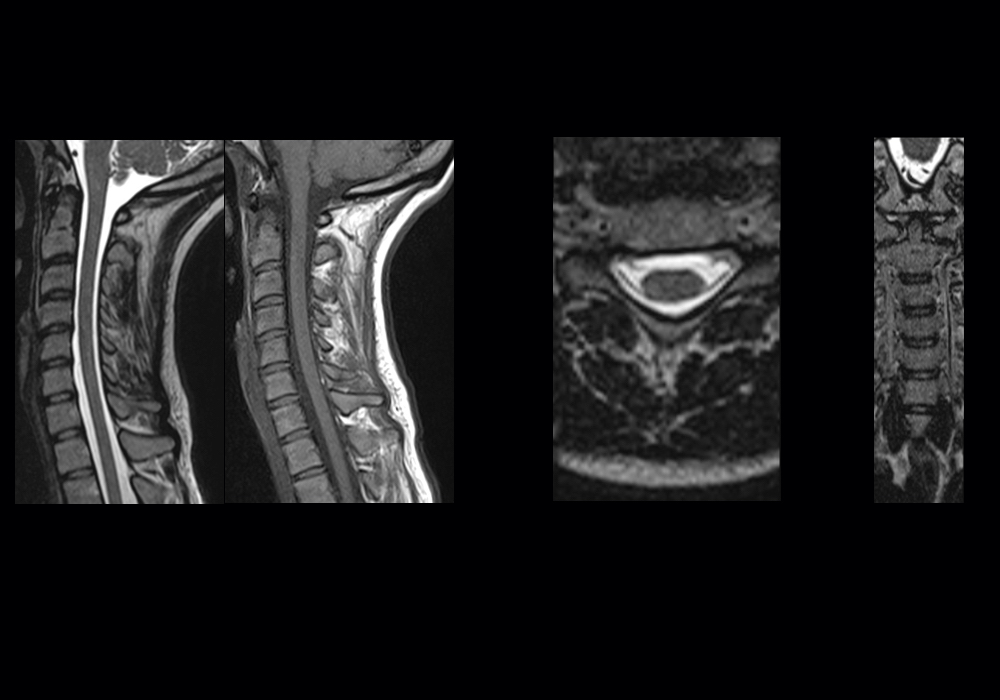
Image: MRI of the cervical spine may show moderate degenerative changes that are actually not the cause of neck pain. The real reason was the Trapezius enthesopathy (middle fibers) at the medial attachment over the C7 spinous process (~1 cm focus), a point-precise pain generator often invisible on routine MRI.
Pain Contributing Factors That Should Also Be Diagnosed in Neck Pain and Cervical Spine Disorders
In patients with persistent neck pain, shoulder discomfort, or radiating arm pain (cervical radiculopathy), treatment should not focus only on the primary anatomical pain generator. It is also important to identify additional factors that can maintain pain, increase sensitivity, delay recovery, or reduce the effectiveness of otherwise appropriate treatment.
- Posture, screen use and daily habits — prolonged sitting, forward head posture, frequent smartphone use (“text neck”), and working at a computer without proper ergonomics can continuously overload cervical structures and maintain irritation
- Muscle imbalance and cervical instability — weakness of deep neck flexors and overactivity of superficial muscles (trapezius, levator scapulae) may lead to poor stabilization and persistent pain
- Reduced physical activity and deconditioning — long-lasting pain often leads to reduced movement, loss of strength and endurance, and increased vulnerability to further irritation
- Metabolic factors, pro-inflammatory diet and low-grade inflammation — obesity, insulin resistance, and chronic inflammation may increase pain sensitivity and slow recovery
- Nutritional deficiencies — low levels of vitamin D, vitamin B12, magnesium, or iron may contribute to nerve dysfunction, muscle fatigue, and slower healing
- Vitamin-related factors — both deficiency and excess of vitamin B6 may contribute to burning sensations, tingling, or hypersensitivity in the neck, shoulder, or arms
- Sleep position and sleep disturbance — inadequate pillow support, poor sleep posture, and fragmented sleep may aggravate neck pain and reduce recovery capacity
- Stress and increased muscle tension — stress increases muscle tone in the neck and shoulder region and enhances nervous system reactivity, contributing to persistent symptoms
- Central sensitization — in long-standing pain, the nervous system may become more reactive, amplifying pain signals even when the original structural problem is less pronounced
- Medications and long-term drug effects — certain medications and treatment patterns may influence symptom persistence or pain perception. For example, statins may be associated with muscle pain in some patients; prolonged use of analgesics, especially opioids, may increase pain sensitivity; repeated corticosteroid use may affect tissue balance; and polypharmacy can alter symptom perception without addressing the underlying mechanism
- Other medical conditions and comorbidities — diabetes, thyroid disorders, autoimmune diseases, fibromyalgia, and chronic inflammatory conditions may increase pain sensitivity and reduce treatment response
These factors should be identified and treated, but they should not replace the central task: the primary anatomical source of pain (disc pathology, nerve root compression, facet joint pain, or muscular dysfunction) must still be correctly diagnosed and treated. In most patients, meaningful improvement requires addressing both.
Online pain consultation for neck pain in detail
Schematic explanation of the video consultation for neck pain
Answers to questions about the process and success of video consultations for neck pain
Reasons for persistent neck pain despite treatment
Treatment Options for Neck Pain: Medications, Interventions, and When to Consider Surgery
Targeted Medication Strategy for Neck Pain
Carefully selected and properly adjusted medications for the true generators of neck pain can reduce symptoms within days. In most cases this includes a combination of anti-inflammatory medication (NSAIDs or, in selected cases, a short corticosteroid course), a neuropathic pain agent (gabapentin or pregabalin) when a nerve-root or occipital nerve component is present, and in some cases an SNRI or tricyclic agent when the pain pattern suggests a mixed nociceptive–neuropathic mechanism (common in cervicogenic headache and upper trapezius/suboccipital triggers).
Short-term muscle relaxants are added only if protective spasm prevents normal movement. The key is introducing the right combination early and adjusting it over several weeks — because even long-lasting or previously “medication-resistant” neck pain often improves once the correct targets are treated. As the dominant pain generator becomes clearer, these medications are adjusted over 4–8 weeks. If pain remains under control for about six weeks, the improvement is often long-lasting.
Diagnostic and Therapeutic Procedures for Neck Pain
When medications are not enough, precise injections or procedures can directly target the pain generator. Modern methods use ultrasound, fluoroscopy, or CT guidance — unlike blind “blocks” that often miss the target. These interventions can treat structures commonly responsible for neck pain, such as facet joints (C2–C3, C3–C4, C4–C5), selective cervical nerve-root irritation, occipital nerve compression, deep cervical ligaments, and myofascial trigger points in the trapezius, levator scapulae, scalene, or suboccipital muscles. When correctly indicated, these targeted injections break the cycle of inflammation and mechanical irritation, and in some cases stimulate early regeneration. Commonly used agents include corticosteroids, local anesthetics, and biologic options such as PRP.
This targeted approach often allows systemic medications to work more effectively and accelerates recovery.
Physical Therapy, Rehabilitation & Osteopathy in Neck Pain
Strengthening deep neck and shoulder muscles, correcting posture, ergonomic adjustments, and improving flexibility are all essential for long-term cervical stability. The correction of head and neck alignment during sleep is also important in treatment.
Treating Associated Conditions in Neck Pain
Managing associated conditions such as metabolic disorders, poor posture, obesity, rheumatic and other autoimmune disorders, and psychiatric problems is often an important part of therapy. Addressing these factors can significantly support the treatment of the primary pain generator and help prevent the pathological process from redeveloping after the pain has been resolved.
Minimally Invasive Surgery for Neck Pain
Only a small percentage of patients with neck pain require surgery. When needed, procedures are usually minimally invasive, aimed at relieving severe nerve compression or spinal instability.
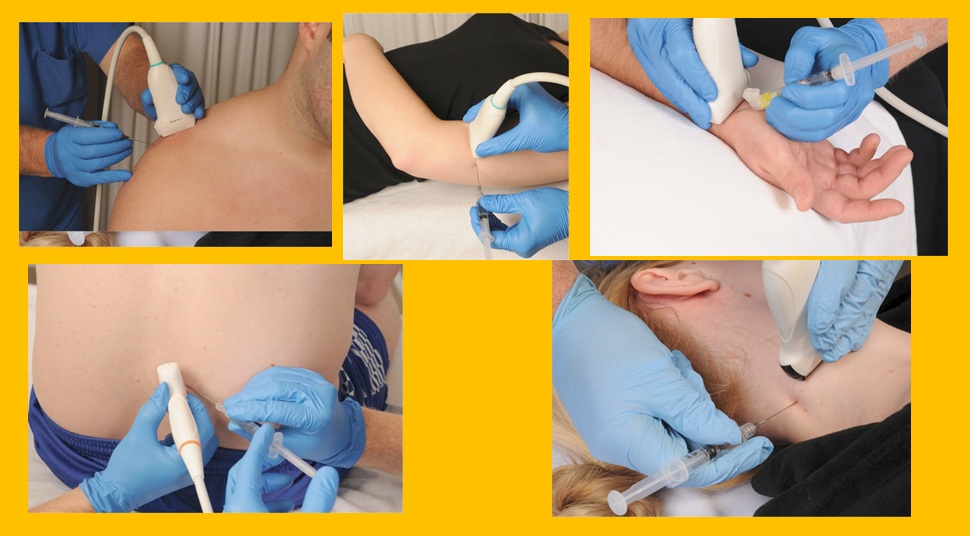
Image: Diagnostic and therapeutic pain procedures guided by ultrasound in different pain syndromes
General Treatments That Are Often Not Enough for Chronic Neck Pain
Many therapeutic approaches are commonly recommended for neck pain, but they are usually insufficient if the exact source of persistent pain is not identified. Examples include:
- General neck exercises — some relieve one type of pain but worsen another.
- Generic physical therapy or osteopathic sessions — when not tailored to the true cause — usually provide only temporary relief.
- Waiting for pain to improve only with weight loss — overall health benefits, but not a substitute for diagnosis. Actually systemic inflammation related to diet can amplify neck pain in selected patients. In some individuals, a high intake of refined sugars and carbohydrates contributes to a pro-inflammatory state, which may worsen pain sensitivity and delay recovery — even when imaging findings are mild or unchanged. Early dietary normalization can have an anti-inflammatory effect even before significant weight loss occurs. This aspect is addressed individually during consultation, together with appropriate specialist guidance.
- Treating osteoporosis as the main generator of pain — most neck pain originates from discs, joints, or soft tissues.
- Psychiatric treatment for depression or anxiety — mood problems often result from uncontrolled pain, not the cause.
- Supplements, magnetic cervical collar, massage, relaxation therapy, aromatherapy, anti-inflammatory diets, and “alternative” methods — may help some, but results are usually limited without a precise diagnosis.
These general treatments may help in acute cases—when natural healing plays the main role—or when they happen to match the true cause. The best results occur when they are combined with specific, targeted medical therapy directed at the confirmed pain generator. If pain continues after several therapies, it’s time for a second opinion from a specialist whose knowledge of pain anatomy can lead to identifying the exact pain generator.
Treatment Outcomes in Chronic, Treatment-Resistant Neck Pain
- When the exact pain source is identified and treated—even in chronic neck pain that has not responded to nonspecific therapy—the majority of patients achieve long-term relief.
- Even neck pain lasting for years can improve significantly once the real generator is targeted.
- Failure usually happens when treatment addresses symptoms instead of the underlying structure.
Start Your Telehealth Consultation for Neck Pain
If your neck pain persists or previous treatments haven’t worked, don’t wait. A detailed telehealth consultation can help identify the exact source of your neck pain (disc, nerve root, facet joint, occipital nerve, ligament, myofascial trigger) and outline a targeted plan.
If the appropriate pain specialist is not available within your healthcare system, an international consultation can provide the missing expertise. Recommendations are adapted to the tests and treatments realistically available in your country, so your local doctor can use them to improve the treatment plan.
- ✔ First, send a short message describing your neck pain and main symptoms
- ✔ You’ll receive a reply within 24 hours if and how we can help — including the consultation cost and a suggested time
- ✔ Only then, you can send your medical documentation (MRI/CT, reports)
- ✔ The video consultation is followed by a written report and follow-up questions (up to 10 days)
- ✔ Secure payment by credit card, PayPal invoice (USD), or bank transfer.
Consultation fees typically range from $180–250, depending on the complexity of your case.
This is within the usual range for specialist telehealth consultations worldwide. Thousands of patients already use telehealth second opinions for neck pain — it’s safe, accepted, and effective.
Before contacting us, please read our Privacy Policy and Terms of Use.
Why Neck Pain Treatment Often Fails — What Is Commonly Missed
In many patients, treatment does not fail because the condition is severe, but because the pain is not analyzed at three critical levels.
First, the exact structure responsible for the pain is not clearly identified. Neck pain may be attributed to disc changes seen on imaging, while the true source — such as facet joints, ligaments, muscles, or nerve irritation — remains unrecognized.
Second, the specific pathological process is not defined. Inflammation, mechanical overload, instability, or nerve sensitization require different treatments, yet therapy is often applied without this distinction.
Third, contributing factors are frequently overlooked. These include sustained posture, repetitive strain, muscle imbalance, but also systemic factors such as low-grade inflammation, metabolic influences, and reduced tissue recovery.
Because of this, treatment may appear correct but remains incomplete, which is why pain often persists or returns.
Conclusion: How This Page Can Contribute to Solving the Epidemic of Persistent Neck Pain
This page may appear to be just an exhaustive list of reasons, but its true purpose is to provide a framework for understanding the numerous possible complex combinations that drive the majority of persistent neck pain.
The global epidemic of chronic neck pain exists because standard treatments often miss the subtle „interplay“ between biology and lifestyle. For instance, a constitutionally weaker cervical ligament or facet joint might remain asymptomatic for years, only to become chronically inflamed when triggered by a specific metabolic shift (like insulin resistance caused by bad nutrition) combined with a specific static occupational load (such as prolonged looking upwards or repetitive neck extension).
Listing and sorting almost all possible factors on this page allows us to map how they overlap. Chronic neck pain is rarely a single „broken part“; it is a unique cocktail of triggers. What looks like a mere list is actually a diagnostic map designed to identify these hidden intersections—where anatomy, metabolism, and daily posture meet—that standard protocols often overlook.
Identifying these specific combinations is the only way to solve neck pain that has resisted conventional care. We don’t just follow a general recipe; we analyze the „consistency“ of your unique story to find the exact combination of factors that needs to be treated to achieve lasting relief.
Red Flags — This Page Is Not for These Situations
This page focuses on persistent neck pain without obvious structural causes on imaging. It is not intended for situations that require urgent in-person evaluation, such as:
- New or progressive arm weakness.
- Numbness in the hands or widespread sensory loss.
- Loss of bladder or bowel control.
- Recent significant trauma.
- Fever or chills, severe night pain, or unexplained weight loss.
- Suspected spinal infection or fracture.
- Rapidly worsening pain after surgery.
- MRI/CT already showing a mass, fracture, or severe stenosis with clear nerve-root/cord compression.
If any of these apply, please seek immediate in-person medical care.
Frequently Asked Questions About Persistent Neck Pain
Why does persistent neck pain continue despite treatment?
Persistent neck pain often continues because treatment is directed at a general label rather than the true pain generator. Terms such as cervical syndrome, neck pain, or degenerative changes do not identify the exact structure responsible for pain. The source may be a cervical disc, nerve root, facet joint, ligament, occipital nerve, myofascial trigger point, or a combination of several structures. Treatment may provide only temporary relief if it reduces symptoms but does not address the underlying mechanism, such as inflammation, mechanical overload, instability, muscle spasm, or nerve sensitization. The key step is to map the pain precisely and match treatment to the confirmed source.
Why can chronic neck pain persist even when MRI findings are mild?
Chronic neck pain can persist even when MRI findings are mild because MRI shows anatomy, not always the active pain process. Many people have disc bulges, mild foraminal narrowing, spondylosis, or loss of cervical lordosis without those findings being the true cause of pain. At the same time, important pain generators may be poorly visible or invisible on routine MRI. These include facet capsule irritation, deep cervical ligament pain, occipital nerve irritation, myofascial trigger points, trapezius or scalene enthesopathy, and localized soft-tissue inflammation. This is why the MRI must be interpreted together with pain location, triggers, movement response, pressure points, neurological signs, and clinical testing.
Can chronic neck pain come from a small pain generator not visible on MRI?
Yes. Chronic neck pain often comes from a very small anatomical source that may not be visible on MRI. The pain generator can be a facet joint capsule, a deep ligament, a muscle attachment, an irritated occipital nerve, a cervical nerve root, or a myofascial trigger point. In some patients, the relevant painful area may be no larger than one centimeter, while MRI shows only broad degenerative changes that are not clinically decisive. This explains why a patient may have persistent pain despite a “normal” scan, or why another patient with significant MRI changes may have little pain. Clinical mapping is needed to identify the active structure.
Why is “cervical syndrome” not enough as a diagnosis for persistent neck pain?
“Cervical syndrome” is not a precise diagnosis because it describes the region of symptoms, not the cause. It does not explain whether pain comes from a disc, nerve root, facet joint, ligament, muscle, occipital nerve, or referred source outside the cervical spine. This distinction matters because each mechanism requires a different treatment strategy. A patient with facet joint pain does not need the same approach as a patient with cervical radiculopathy, occipital neuralgia, myofascial pain, or shoulder-related referred pain. When persistent neck pain is treated only under a broad label, therapy often becomes generic and incomplete, which is one reason symptoms continue or return.
What are the most common hidden causes of chronic neck pain?
Hidden causes of chronic neck pain include structures that are often overlooked during standard evaluation. These may include cervical facet joints, deep cervical ligaments, myofascial trigger points, trapezius and scalene muscle attachments, occipital nerves, irritated cervical nerve roots, and referred pain from the shoulder, temporomandibular region, thoracic outlet, or other nearby structures. In some patients, metabolic and systemic factors such as insulin resistance, low-grade inflammation, vitamin deficiencies, sleep disturbance, stress-related muscle tone, or central sensitization may maintain symptoms. The cause is rarely the entire cervical spine. More often, persistent pain results from one or two dominant pain generators plus several contributing factors that keep them irritated.
Can persistent neck pain come from facet joints rather than a disc?
Yes. Cervical facet joints are a common but often underrecognized source of persistent neck pain. These small joints are located at the back of the cervical spine and can become painful because of inflammation, mechanical overload, capsule irritation, instability, or degenerative change. Facet-related pain may stay in the neck or refer toward the shoulder blade, upper back, side of the head, or upper arm. It can mimic disc-related pain even when there is no true nerve-root compression. MRI may show facet arthropathy, but it may also underestimate the pain source. Clinical examination and, in selected cases, diagnostic facet blocks help confirm whether the facet joint is the active generator.
Can chronic neck pain come from muscles, ligaments, or myofascial trigger points?
Chronic neck pain can come from muscles, ligaments, fascia, and myofascial trigger points, not only from discs or nerves. The cervical region contains many muscles and soft-tissue attachments that can become painful after overload, repetitive posture, spasm, inflammation, or poor recovery. Trigger points in the trapezius, levator scapulae, scalene, suboccipital, or deep cervical muscles may refer pain to the head, shoulder, arm, or upper back. Ligament irritation can also create very localized pain that is difficult to see on imaging. These causes are frequently missed when treatment focuses only on MRI findings. Correct diagnosis requires pain mapping, pressure testing, movement analysis, and response to targeted treatment.
Can persistent neck pain cause pain in the back of the head?
Persistent neck pain can cause pain in the back of the head when upper cervical structures or occipital nerves are involved. Pain may arise from the C2–C3 region, upper cervical facet joints, suboccipital muscles, deep ligaments, or irritation of the greater or lesser occipital nerves. Patients may feel stabbing, burning, pressure-like, or radiating pain from the upper neck toward the back of the skull, behind the ear, or sometimes toward the eye. This pattern is often called cervicogenic headache or occipital neuralgia, depending on the mechanism. It is important to distinguish this from migraine, intracranial causes, shoulder referral, and generalized muscle tension.
How are occipital neuralgia and cervicogenic headache related to chronic neck pain?
Occipital neuralgia and cervicogenic headache are closely related to chronic neck pain because both may originate from upper cervical structures. Occipital neuralgia usually involves irritation of occipital nerves, producing burning, stabbing, electric, or shooting pain from the upper neck to the back of the head. Cervicogenic headache is pain referred from cervical joints, muscles, ligaments, or nerve-related structures toward the head. In both conditions, the neck is often the source even when the main complaint feels like headache. Treatment depends on identifying the exact generator. Options may include targeted medication, physical unloading, guided exercises, occipital nerve blocks, facet procedures, or treatment of myofascial sources.
Can cervical radiculopathy be mistaken for other causes of neck and arm pain?
Cervical radiculopathy can be mistaken for other causes of neck and arm pain, and the reverse is also common. True cervical radiculopathy means irritation or compression of a cervical nerve root, often from a disc herniation, foraminal stenosis, or osteophyte complex. It may cause pain, tingling, numbness, or weakness spreading into the shoulder, arm, or hand. However, similar symptoms can come from thoracic outlet syndrome, brachial plexus disorders, shoulder pathology, peripheral nerve entrapment, myofascial trigger points, or referred facet pain. This distinction is essential because treatment is different. MRI findings must match symptoms, neurological examination, pain distribution, and functional testing before surgery or injections are considered.
Why does cervical radiculopathy sometimes improve without surgery?
Cervical radiculopathy often improves without surgery because nerve-root irritation may decrease as inflammation settles, disc material shrinks, mechanical load is reduced, and surrounding tissues recover. Many patients respond to a combination of targeted medication, activity modification, physical therapy, and sometimes image-guided injections. Surgery is not needed simply because a disc herniation or foraminal narrowing is visible on MRI. It becomes more important when there is progressive weakness, severe neurological deficit, spinal cord compression, or persistent disabling pain despite well-directed conservative and interventional treatment. The key is to separate radiculopathy that can recover from cases where compression is significant enough to require surgical decompression.
When does chronic neck pain need medication for nerve pain?
Chronic neck pain may need medication for nerve pain when symptoms suggest a neuropathic component. This may include burning, electric, shooting, tingling, hypersensitivity, numbness, pain radiating into the arm or hand, or pain spreading from the upper neck to the back of the head. Nerve-related pain may come from cervical radiculopathy, occipital nerve irritation, mixed nociceptive-neuropathic pain, or sensitized myofascial structures. In selected cases, medications such as gabapentin, pregabalin, SNRIs, or tricyclic agents may be considered as part of a broader plan. They are most useful when matched to the correct pain mechanism and adjusted carefully over time, rather than used as generic treatment.
Why do physical therapy and exercises sometimes fail in chronic neck pain?
Physical therapy and exercises sometimes fail because the program does not match the true pain generator. General neck exercises may help one mechanism but worsen another. For example, strengthening and posture correction may help instability or deconditioning, but they may aggravate an inflamed facet joint, irritated nerve root, or active myofascial trigger if introduced incorrectly. Therapy also fails when metabolic factors, sleep problems, stress-related muscle tone, central sensitization, or poor ergonomics continue to maintain pain. Physical therapy works best after the pain source has been identified and the program is adapted to that mechanism. Without this, treatment may remain too general and provide only temporary relief.
When are image-guided injections useful for persistent neck pain?
Image-guided injections are useful when persistent neck pain has a likely anatomical target and conservative treatment is not enough. They may be considered for facet joint pain, selective nerve-root irritation, occipital neuralgia, deep ligament pain, or specific myofascial trigger points. The purpose may be diagnostic, therapeutic, or both. A diagnostic block can confirm whether a suspected structure is truly responsible for pain. A therapeutic injection can reduce inflammation, interrupt pain signaling, and help medications or rehabilitation work better. These procedures should not be chosen randomly or based only on MRI. They are most effective when a specialist has already narrowed the problem to one or two likely pain generators.
How are diagnostic blocks used to find the source of chronic neck pain?
Diagnostic blocks are used to test whether a specific structure is responsible for chronic neck pain. They involve placing local anesthetic, sometimes with an anti-inflammatory agent, near a suspected pain generator such as a facet joint, medial branch nerve, occipital nerve, cervical nerve root, or trigger point. If the patient experiences clear temporary relief in the expected pain pattern, the blocked structure is more likely to be involved. A diagnostic block does not replace clinical reasoning; it confirms or rejects a hypothesis formed after history, pain mapping, examination, and imaging review. When used correctly, it can prevent unnecessary treatment and guide more precise long-term therapy.
When is surgery needed for persistent neck pain or cervical radiculopathy?
Surgery is needed only in selected cases of persistent neck pain or cervical radiculopathy. It is usually considered when there is progressive neurological weakness, significant spinal cord compression, severe nerve-root compression that matches symptoms, instability, or disabling pain that has not improved despite well-conducted conservative and interventional care. Surgery should not be based on MRI findings alone, because many degenerative changes are incidental. The clinical picture, neurological examination, imaging correlation, and previous treatment response must fit together. Most patients with neck pain do not need surgery. When surgery is appropriate, the goal is to decompress the nerve or stabilize the spine while avoiding unnecessary procedures.
Can chronic neck pain improve after months or years of failed treatment?
Chronic neck pain can improve even after months or years of failed treatment if the true pain generator and maintaining factors are finally identified. Long-lasting pain does not always mean that the condition is irreversible. Many patients fail previous treatment because the approach was too general, aimed only at MRI findings, or focused on symptoms rather than the underlying mechanism. Once the main structure is identified and the process is understood, treatment can become more specific. This may include targeted medication, ergonomic unloading, correction of contributing factors, image-guided procedures, or carefully selected rehabilitation. Improvement is most realistic when therapy is adjusted to the patient’s individual pain pattern.
If medications have failed for persistent neck pain, is an intervention necessary, or can a better medication combination still help?
Previous medication failure does not automatically mean that a cervical block, radiofrequency procedure, or surgery is necessary. In many patients, earlier treatment addressed only one part of the problem, while other mechanisms remained active, such as nerve-root irritation, facet-joint inflammation, occipital nerve sensitization, muscle spasm, ligament pain, myofascial trigger points, or central sensitization. The medication choice, combination, dose, duration, or adjustment schedule may also have been inadequate. A more carefully selected and monitored combination can still provide meaningful improvement even after several previous drugs were unsuccessful. An intervention is usually considered only when the likely pain generator has been sufficiently localized and a properly targeted conservative treatment plan has not provided enough relief.
What should be reconsidered if medications, injections, other procedures, or even neck surgery have not relieved the pain?
When several treatments have failed, the next step should be a structured reassessment rather than simply repeating or escalating the same procedure. The treated structure may not have been the true pain generator, or several mechanisms may be active at the same time. The pain may arise from a facet joint, occipital nerve, cervical nerve root, ligament, deep muscle, shoulder, brachial plexus, peripheral nerve, postoperative scar, adjacent spinal level, or central sensitization. MRI findings should also be reconsidered because a visible disc or degenerative change may not match the symptom pattern. Failure of surgery does not automatically mean that the operation was technically incorrect; the operated lesion may not have been the only or dominant source of pain. A specialist experienced in complex cervical pain can review the full treatment sequence and determine what was targeted, why it may have failed, and whether another treatment is genuinely justified.
What are the specific risks and complications of cervical nerve-root, facet-joint, occipital-nerve, and deep neck injections?
The risks differ substantially according to the target and depth of the procedure. Possible complications include bleeding, hematoma, infection, temporary worsening of pain, numbness, weakness, nerve injury, dysesthesia, dural puncture, cerebrospinal fluid leakage, intravascular injection, local-anesthetic toxicity, and steroid-related adverse effects. Deeper cervical procedures may rarely injure the spinal cord or nearby blood vessels. Accidental entry into the vertebral artery or another cervical vessel can cause seizure, spinal cord infarction, stroke, or other serious neurological injury. Certain lower cervical, scalene, or thoracic-outlet approaches may also carry a risk of pneumothorax. A superficial occipital nerve block generally has a different and usually lower risk profile than a selective cervical nerve-root injection.
The likelihood of individual complications is not the same for every patient. It depends on the exact target, cervical level, vascular anatomy, previous surgery, anticoagulant treatment, neurological condition, chosen medication, and procedural approach. An experienced pain-intervention specialist or spinal neurosurgeon who regularly performs cervical procedures can usually provide the most accurate individualized risk estimate and reduce avoidable complications by selecting the correct target, technique, medication, and imaging guidance. Ultrasound, fluoroscopy, or CT guidance improves anatomical precision, but no technique can eliminate risk completely.
Are ultrasound-, fluoroscopy-, or CT-guided neck injections safer than blind injections?
Image guidance generally improves the accuracy and safety of neck injections because it helps confirm the target and identify or avoid nearby blood vessels, the pleura, spinal canal, nerve roots, and other vulnerable structures. Ultrasound is especially useful for superficial nerves, muscles, trigger points, and vessels without exposing the patient to radiation. Fluoroscopy provides clear bony landmarks and can show contrast spread during facet or nerve-root procedures. CT offers precise cross-sectional visualization for selected deep or anatomically complex targets.
However, no single guidance method is best for every procedure, and imaging cannot compensate for an incorrect diagnosis, poorly chosen target, or limited operator experience. The safest approach depends on the structure being treated, the patient’s anatomy, previous surgery, vascular relationships, and the planned injection. A clinician who is experienced in cervical pain anatomy and regularly performs the specific procedure can choose the most appropriate guidance method and usually reduce the risk of technical complications, although complete safety can never be guaranteed.
Can persistent neck pain be evaluated through an online video consultation?
Persistent neck pain can often be evaluated through an online video consultation when the case is suitable and there are no urgent red flags. During the consultation, the patient describes pain location, radiation, triggers, previous treatments, and imaging findings. The doctor can guide specific neck movements, posture tests, and safe self-palpation of precise points such as cervical paraspinal muscles, facet lines, occipital nerve regions, trapezius, or scalene areas. The pattern of pain increase or relief helps identify the likely generator. Online evaluation does not replace emergency care or in-person examination when neurological deficits are present, but it can be very useful for chronic, treatment-resistant neck pain.
When should patients seek a second opinion for persistent neck pain?
Patients should consider a second opinion when neck pain persists despite medications, physical therapy, injections, ergonomic changes, or unclear explanations from MRI. A second opinion is especially useful when different doctors give different recommendations, when surgery or repeated injections are proposed, when MRI findings do not match symptoms, or when pain keeps returning after temporary relief. The goal is not to repeat the same general advice, but to identify the exact pain generator and the mechanism that maintains symptoms. A structured review can clarify whether the problem is disc-related, nerve-related, facet-related, myofascial, occipital, referred, systemic, or mixed, and what treatment strategy is most reasonable.
Additional Information about Neck Pain
English homepage – overview of neurosurgery and pain consultation
Neck Pain – Diagnosis and Treatment
Neck Pain – Detailed Description