Dr Željko Kojadinović — NEUROHIRURGIJA I LEČENJE BOLA
Dr Zeljko Kojadinovic — Pain Treatment & Neurosurgery


Author:
Dr. Željko Kojadinović, MD, PhD
— Neurosurgeon and Pain Management Specialist
Specialized Experience:
30 years of clinical expertise in cerebrovascular surgery and neurocritical care.
Last medically reviewed:
June 17, 2026
Neurocritical conditions include traumatic brain injury (TBI), spontaneous intracerebral hemorrhage (ICH), cerebellar hemorrhage, and ruptured aneurysm with subarachnoid hemorrhage (SAH). These conditions often require urgent diagnosis, CT or MRI interpretation, neurological assessment, ICU monitoring, ICP or EVD management, surgical decision-making, complication prevention, and early prognosis discussion.
This short hub connects our main neurocritical care pages. Each guide explains one emergency condition in more detail, including the typical clinical presentation, diagnostic imaging, ICU treatment, surgical options, expected complications, day-to-day fluctuations, and realistic recovery expectations.
Traumatic Brain Injury (TBI) — Diagnosis, ICU Treatment, Surgery, and Prognosis
Lesion types including epidural hematoma, subdural hematoma, brain contusions, and diffuse axonal injury; CT/MRI strategy, ICP monitoring, EVD use, decompressive surgery, and typical ICU recovery patterns.
Intracerebral Hemorrhage (ICH) — Diagnosis, ICU Care, Surgery, and Prognosis
Causes of spontaneous brain bleeding, hematoma size and location, CT interpretation, blood pressure control, ICU monitoring, when surgery or minimally invasive evacuation is considered, and prognosis.
Cerebellar Hemorrhage — Hydrocephalus, Brainstem Compression, and Emergency Surgery
Fourth ventricle obstruction, acute hydrocephalus, brainstem compression, EVD placement, suboccipital decompression, neurological deterioration, ICU monitoring, and prognosis.
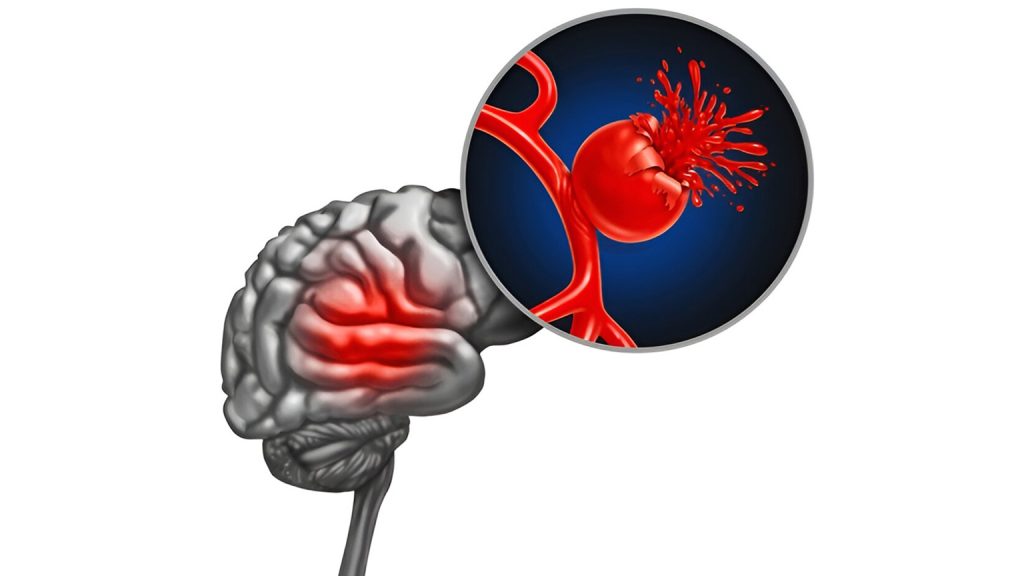
Ruptured Aneurysm and Subarachnoid Hemorrhage (SAH)
Aneurysm rupture, CT/CTA diagnosis, coiling versus clipping, EVD for hydrocephalus, vasospasm prevention, delayed cerebral ischemia, ICU complications, and recovery expectations.
Seek emergency medical care immediately if any of the following appear:
- sudden loss of consciousness or rapidly worsening confusion
- new weakness, speech difficulty, unequal pupils
- seizures or repeated vomiting
- “worst headache of life,” neck stiffness, or fever
- rapid deterioration after trauma or known brain bleeding
Need urgent clarity about ICU findings, imaging, or treatment decisions?
Request a neurosurgical second opinion within 24 hours.
Priority review also available within 3 hours.
Request a neurosurgical second opinion within 24 hours.
Priority review also available within 3 hours.
Need Clearer Guidance About Your Family Member’s Condition?
Families often struggle to understand day-to-day changes in TBI, ICH, or SAH — especially when communication in the ICU is brief or fragmented. If you need help interpreting scans, monitoring trends, or treatment decisions, you can request a detailed neurosurgical second opinion.
Responses are usually provided within 24 hours.
Priority review also available within 3 hours.