Dr Željko Kojadinović — NEUROHIRURGIJA I LEČENJE BOLA
Dr Zeljko Kojadinovic — Pain Treatment & Neurosurgery


Author: Dr. Zeljko Kojadinovic, MD, PhD – Neurosurgeon and Pain Management Specialist
Before contacting us, please read our Privacy Policy and Terms of Use.
Contents
- Neurosurgery Overview
- Pain Treatment Overview
- Areas of Neurosurgery
- Common Symptoms of Disorders
- Neurosurgery Second Opinion
- Chronic Pain Consultation
- Consultation Process Step-by-Step
- Why Pain Treatment Fails
- AI in Telehealth Consultation
- Start Telehealth Consultation
- Pain Consultations FAQ
- General Telehealth FAQ
Neurosurgery
Neurosurgery is a branch of surgery that deals with operative treatment of conditions affecting the skull, brain, spine, and nerves. In addition to surgery, many patients today seek a neurosurgical second opinion consultation online, especially when facing difficult choices such as surgery versus conservative therapy. An increasing number of these diseases can now be successfully treated with minimal invasiveness (small skin incisions, small skull openings, and more often — no incisions at all). This has been made possible by advancements in understanding disease mechanisms, new medications, improved techniques, and the development of new devices. That’s why today’s neurosurgeons must not only master keyhole and minimally invasive surgical methods, but also embrace modern techniques that treat many conditions with interventions beyond the scalpel — and in some cases even with medications alone. A neurosurgeon should be able to offer all of these options to patients, not just surgery. For example, the following are no longer operated on as frequently as before: most herniated discs, brain aneurysms (now treated with coiling or monitored), smaller brain tumors with benign features (monitored or treated with stereotactic radiation), most pain syndromes, etc.
Pain Treatment
The primary task of pain specialists is to relieve pain and to avoid surgery whenever possible. Today, this is achievable in most cases. For patients living with persistent pain, we provide targeted online consultations (telehealth / video visits) dedicated to identifying the exact source of pain and offering focused treatment recommendations. This website focuses on medical conditions where chronic pain persists despite standard treatment. Our consultations are dedicated to finding those overlooked causes of pain. These consultations are online consultations, also known as a virtual visit, video consultation, online second opinion, video visit, remote consultation, telehealth or telemedicine appointment, e-visit, or online doctor visit.
The main goal of this site is to answer many of the questions I’ve heard over the years from patients or their family members during consultations. However, none of this information can replace a conversation with a specialist. The purpose of these pages is only to make your future video consultation easier, more effective, and focused on your specific problem
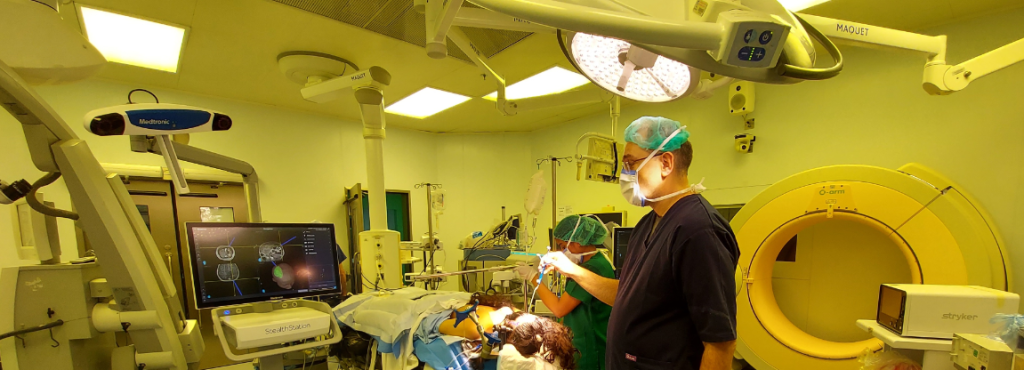
Start Your Telehealth Consultation with a Pain Specialist
If you have a neurosurgical diagnosis and want to be sure about surgery or alternatives, we provide an online second opinion consultation.
If you live with persistent pain and previous treatments have failed, our telehealth consultations focus on identifying the exact cause of your pain and offering targeted solutions.
✔ First, send a short message describing your problem
✔ You’ll receive a reply within 24 hours if and how we can help — including the consultation cost and a suggested time
✔ Only then, you can send your medical documentation
✔ The video consultation is followed by a written report and follow-up questions (up to 10 days)
✔ Secure payment via PayPal (USD invoice) – Bank transfer available if needed
✔ You’ll receive a reply within 24 hours if and how we can help — including the consultation cost and a suggested time
✔ Only then, you can send your medical documentation
✔ The video consultation is followed by a written report and follow-up questions (up to 10 days)
✔ Secure payment via PayPal (USD invoice) – Bank transfer available if needed
Consultation fees typically range from $180–250, depending on the complexity of your case.
This is within the usual range for specialist telehealth consultations worldwide.
Neurosurgery can conditionally be divided into the following areas:
TRAUMATIC BRAIN INJURIES (EDH, SDH, Brain contusions, Fractures, DAI)
BRAIN TUMORS
CEREBRAL BLOOD VESSEL DISEASES (ANEURYSMS, AVM, etc.)
SPINAL CONDITIONS (HERNIATED DISCS, SPONDYLOSIS, SYRINGOMYELIA, SPINAL TUMORS, etc.)
NERVE INJURIES AND DISEASES
CONGENITAL NEURAL SYSTEM ABNORMALITIES (HYDROCEPHALUS, CHIARI MALFORMATION, ARACHNOID CYST, etc.)
PAIN TREATMENT
NERVOUS SYSTEM INFECTIONS
FUNCTIONAL NEUROSURGERY (epilepsy, movement disorders, etc.)
The brain, spinal cord, and nerves together form the nervous system.

Image: Sagittal section of the head and neck
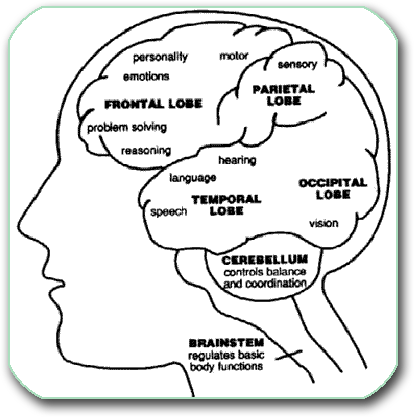
Image: Map of brain centers
Patients usually visit this website for two reasons: they are searching for information about a diagnosis they have already been given, or they are trying to understand symptoms they are experiencing but still have no diagnosis.
Diseases of the brain, spine, or nerves can begin suddenly or develop over weeks, months, or even years. Symptoms may start as isolated issues and later combine in various ways depending on the type, location, and severity of the condition. Often, different conditions produce similar symptoms — and the same condition can manifest with very different symptoms in different people. For example, a spinal tumor and a herniated disc can present with similar clinical signs. On the other hand, two patients with a herniated disc may experience very different problems.
Patients who contact us often have complex health problems. These cases frequently require additional consultations — either with medical literature or colleagues. Today, this is most efficiently done using artificial intelligence (AI), which has access to extensive medical databases. When we encounter a complex case, we analyze it with the help of AI either before or after the video consultation. The key is not just having access to AI, but being able to correctly present a complex case through targeted questions and sub-questions, to jointly analyze and reach a solution.
Most common symptoms of nervous system disorders:
- headache – cephalea
- neck stiffness – meningismus
- weakness of one side of the body – hemiparesis, hemiplegia
- cognitive decline – psycho-organic syndrome
- altered consciousness – somnolence, stupor, coma
- epilepsy – seizures
- nausea, vomiting, and other autonomic symptoms – nausea
- speech disturbances – dysphasia, aphasia
- weakness in limbs or parts of limbs (usually hands or feet) – paresis, plegia
- hearing disorders – hearing loss, tinnitus
- dizziness, balance disturbances – vertigo, ataxia
- double vision – diplopia
- vision impairment – anopsia
- numbness or altered facial sensations (tingling, painful touch, burning, etc.) – hypesthesia, anesthesia, allodynia
- facial droop – facial nerve paresis
- loss or disturbance of smell – anosmia
- difficulty swallowing, especially liquids – dysphagia
- numbness in body parts (especially hands or feet) with altered sensations
- neck pain – cervical syndrome
- back and leg pain – lumbago, sciatica, dorsalgia
- limb pain
Second Opinion in Neurosurgery and Pain Treatment
Many patients feel uncertain about surgery or conservative therapy. A second opinion with a neurosurgeon helps verify if surgery is truly indicated, clarifies safer alternatives, and reviews your medical records in advance. Also, some pains remain even after previous surgery, which can be a subject of our expertise.
Online Consultation for Chronic Pain
Pain syndromes such as trigeminal neuralgia, pelvic pain, or back pain can be evaluated effectively online. Through structured questions and guided self-tests, we can identify the most likely pain source and create a focused treatment plan.
Step by Step: How the Online Pain Consultation Works
The process is transparent and simple: you first send a message to check if we can help, then provide your medical documentation, and finally schedule a video consultation followed by a written report and follow-up.
Why Pain Treatments Often Fail
Many patients try multiple therapies without long-term relief. The reason is usually that the real pain generator was never precisely identified. Understanding the anatomy of pain is crucial to avoid trial-and-error treatments. In some cases, the source of pain is wrongly connected to an internal organ disease, although the real source is an irritation of a musculoskeletal nerve.
FAQ About Online Pain Consultations
Patients often ask if online consultations are as effective as in-person visits, whether a diagnosis is possible without examination, or how safe it is to share medical records. This section provides clear answers to these concerns.
Artificial Intelligence in Pain and Neurosurgery Consultations
Complex cases often require advanced analysis. AI tools help pre-review medical records and highlight possible pain sources. Combined with expert medical knowledge, AI accelerates diagnosis and improves decision-making.
FAQ – Online Second Opinions & Pain Telehealth
Trigeminal neuralgia online second opinion
Many patients present with atypical or mixed trigeminal facial pain. These cases usually respond best to an individualized combination of medications and, when needed in selected cases, minimally invasive interventional procedures (e.g., percutaneous techniques) rather than immediate surgery. A tailored second opinion helps confirm the subtype and avoid unnecessary surgery.
Online neurosurgery second opinion for pain – how it works
You first send a short message to check if we can help. If so, you share your medical records and schedule a video consultation. We use pain-anatomy mapping and guided self-tests to identify the likely pain source, then send a written report with follow-up.
Are online consultations reliable?
Yes. When performed by a specialist who understands the anatomy of pain, a video consultation can have the same diagnostic value as an in-person visit—especially for history-based and functional assessments.
Cost of online neurosurgery consultation
The fee is set at a level comparable to international telehealth services and remains affordable relative to typical costs in the United States. The exact amount is confirmed individually before scheduling, depending on case complexity.
What records should I send?
Please prepare recent imaging reports (not necessarily the files), key labs, discharge summaries, and a brief timeline of symptoms and treatments tried. If needed, we will request additional documents after the initial review.
Privacy and data protection
All patient information is handled confidentially and stored securely, in line with GDPR and HIPAA privacy principles. Share only through the channels we confirm in writing after we accept the case.
On this website, various pain syndromes are described in detail, such as headaches, neck pain, facial pain, low back pain, lumbar disc herniation, pain after lumbar discectomy, herpes zoster neuralgia, intercostal neuralgia, pudendal neuralgia, atypical trigeminal neuralgia, pain in interstitial cystitis, pain that mimics organ disease, Tarlov cyst pain, hip pain, and others.